Welcome to Sardinia ! Crystal-clear waters, beaches of soft white sand, granite rocks framed by wild, fragrant Mediterranean scrub: welcome to Sardinia, an island of a thousand contrasts that will also enchant you with its unique archaeological heritage and its […]
Welcome to Sardinia !
Crystal-clear waters, beaches of soft white sand, granite rocks framed by wild, fragrant Mediterranean scrub: welcome to Sardinia, an island of a thousand contrasts that will also enchant you with its unique archaeological heritage and its people’s innate sense of hospitality.
Perhaps the only thing may have heard about Sardinia is its fabled Emerald Coast, which takes its name from the colour of the water that laps against its white-sand beaches. The combination of mountains and pristine beaches make it one of the most beautiful islands in the world. The other thing that may astonish you is the sheer number of prehistoric sites, especially the enigmatic round stone towers known as nuraghi. You’ll learn about the mysteries these prehistoric forts/dwellings hide as you climb their dark stone stairs and discover passageways built in the ancient times. You can also walk on original Roman streets and visit the windswept ruins of cities built by the Phoenicians.
Cagliari
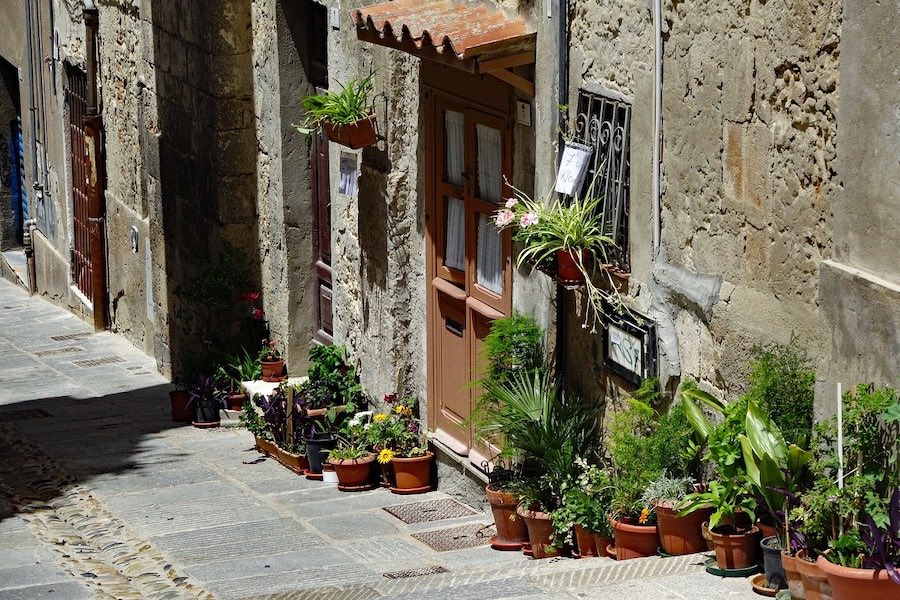
Most travellers start their visit in the island capital of Cagliari, stopping at least to climb from Piazza della Costituzione to Bastione San Remy. Built to defend the Castello quarter, site of the beautiful cathedral and the stronghold of whoever controlled the city at the time, today they provide both historical and visual perspective, with panoramic views over the city and the bay.
Close to the Bastione San Remy is the Museo Archeologico Nazionale, with beautifully displayed Punic, Greek, and Roman artifacts, as well as ancient gold work and other treasures discovered in the enigmatic round stone structures called nuraghi, which one can see all over the island of Sardinia.
To the east of the city, and within minutes you can be on one of the fabled beaches that makes Sardinia one of Europe’s favorite summer playgrounds. South of Cagliari, the Costa Sud offers tourists a glimpse of Sardinia’s exquisite variety. From the medieval streets and tall bastions of Cagliari, it’s only a few kilometers to the ruins of the ancient city of Nora, where Phoenicians, Carthaginians, and Romans had situated their trading posts.
Between the headlands beyond Nora are white sandy beaches of the Costa Sud. Some, like Porto Campana and Spiaggia Sa Colonia, are long stretches with long shallow waters, perfect for families with children. Others, like Porticciolo Beach, are beautiful and secluded crescents of white sand. The Costa Sud has some of the best beaches in Sardinia.
Costa Smeralda
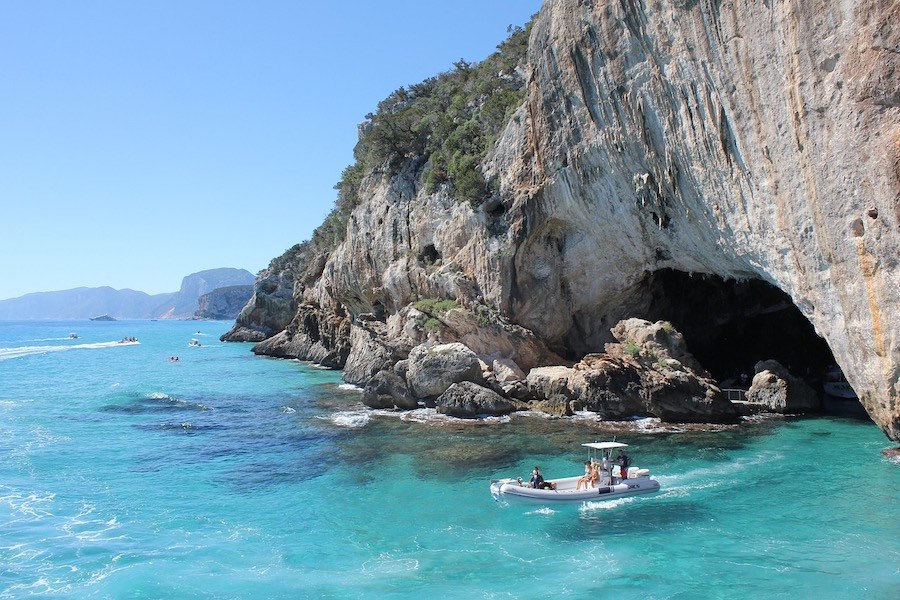
From the port town of Olbia to the tip of Capo de Testa some of the world’s most beautiful beaches are set in jagged coves washed by a sea so green and clear that it’s known to the world as the Costa Smeralda, the Emerald Coast.
The comparison with one of the most expensive jewels might also apply to the clientele that has frequented the coast since it was developed by the Aga Khan in the 1960s into a series of resorts for the ultra-wealthy. Cosseted resort “villages” are built to resemble Greek islands and the Riviera. The center of all this is Porto Cervo, a resort village and marina for private yachts built in the 1960s. The resorts take guests by boat to the secluded beaches, which are inaccessible by land. People-watching is Porto Cervo’s primary attraction. The most modest resort town in the region is lively little Cannigione, on the Gulf of Arzachena.
Arzachena’s Prehistoric Sites
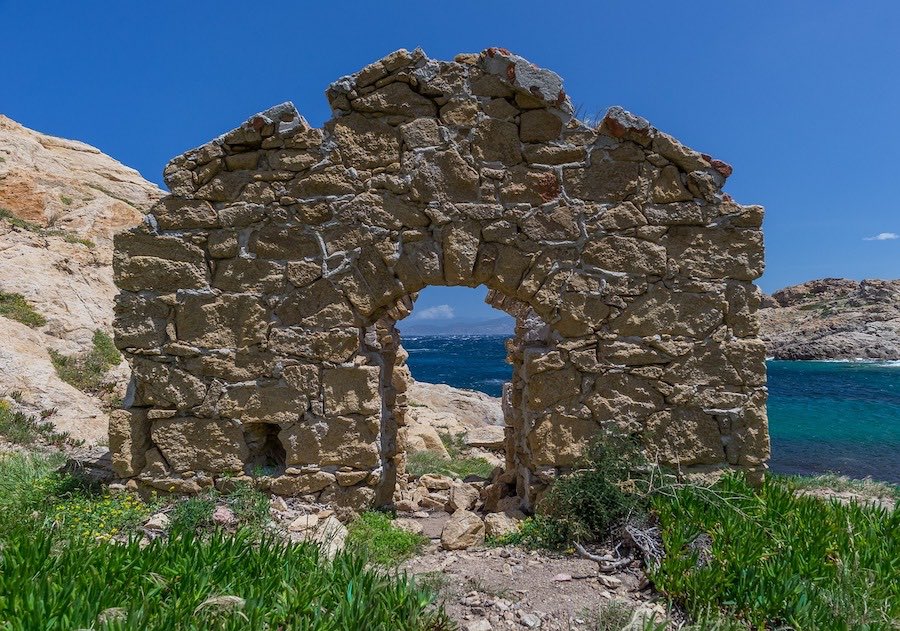
One of the highest concentrations of Stone and Copper Ages attractions is only a few kms. from the Costa Smeralda resorts, but seem like a completely different World. The 6 notable sites include nuraghi, burial sites, and the curious chambered tombs known locally as giants’ graves. The principal chambered tomb of Coddu Vecchiu, a tunnel grave from the 18th century BC, had an entry facade of flat stones added several centuries later, and another, Li Lolghi, has a similar entrance, but with a three-and-a-half-meter standing stone. The closeby necropolis of Li Muri had stone graves built inside circles of flat standing stones once covered by mounds of earth.
This region is known for its rock outcrops, often eroded by the wind into curious shapes; one just east of Arzachena looks like a huge mushroom. A short walk from in the hills above Arzachena, the cottages of Tenuta Pilastru are tastefully decorated in locally crafted furnishings and art.
Nuoro
Clinging to the top of a steep mountain ridge, the precipitous streets of Nuoro open to views in every direction. Nuoro is a good base for exploring the surrounding Gennargentu, Sardinia’s most rugged and beautiful interior mountains, and the remote villages , which seem barely touched by the 20th century, let alone the 21st. It’s a enchanting region, with towns clinging to steep mountainsides and local customs that still ring of the ancient past. Trekking through the Gola Su Gorropu, known as Europe’s Grand Canyon, is one of the best things to do.
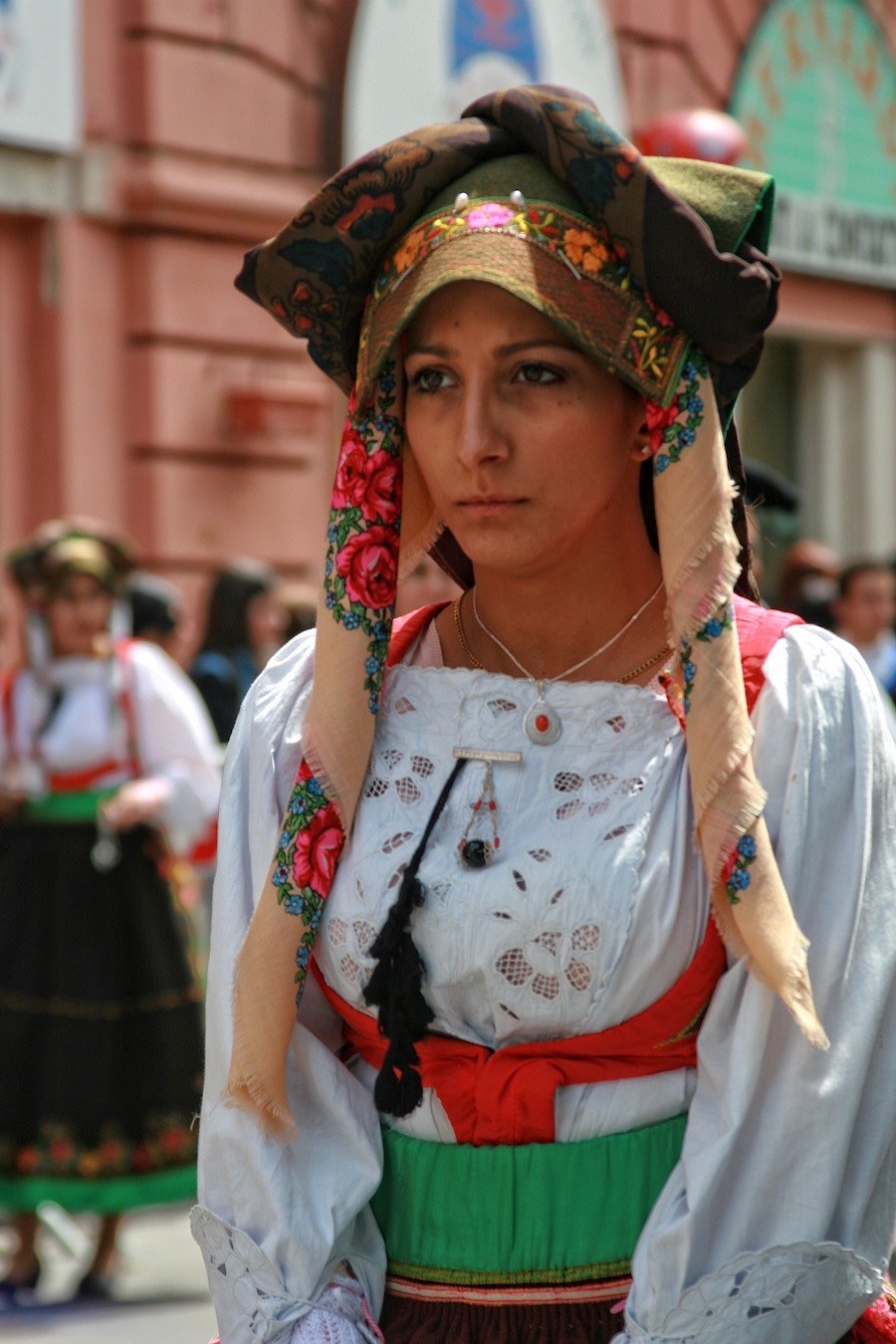
This is the island’s best collection (and brilliantly displayed) of Sardinian costume and decorative art; clothing is shown on models with jewellery and accessories worn at weddings and festivals. An entire gallery displays traditional masks.